Economical Car Rental in North Cyprus
Ercan Airport - Kyrenia - Famagusta - Nicosia

- Home
- TRAVEL GUIDE
- KARPAZ
KARPAZ
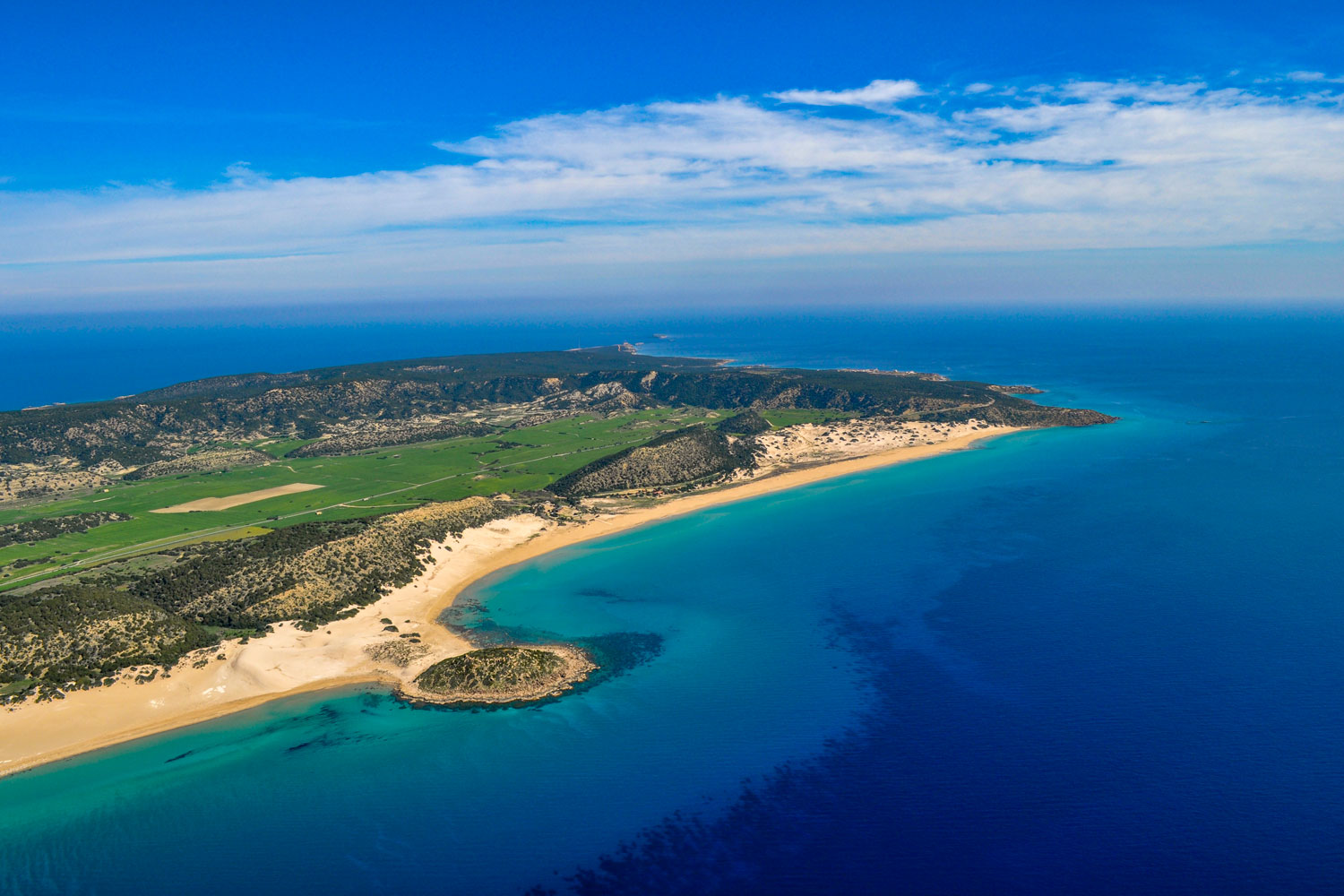
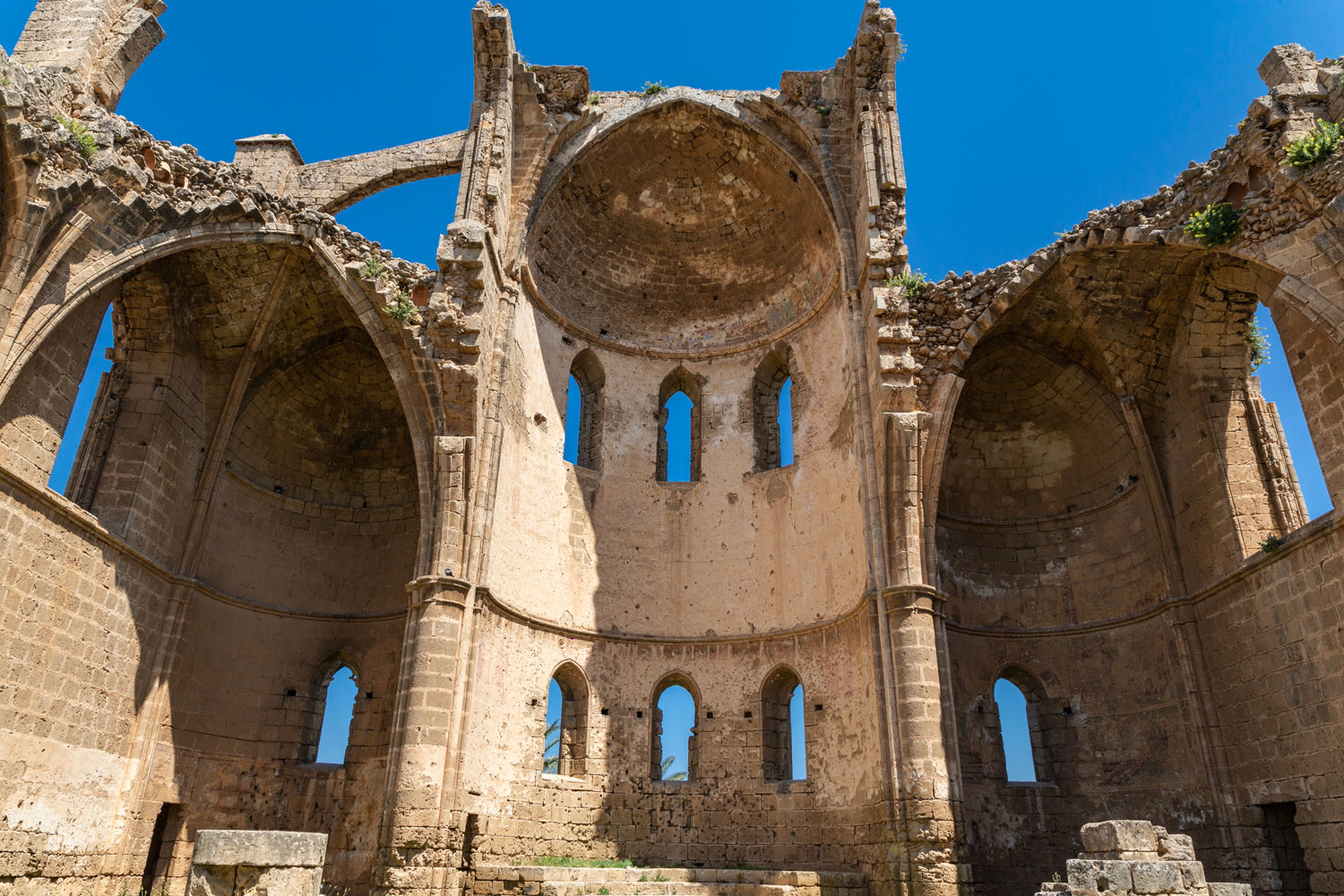
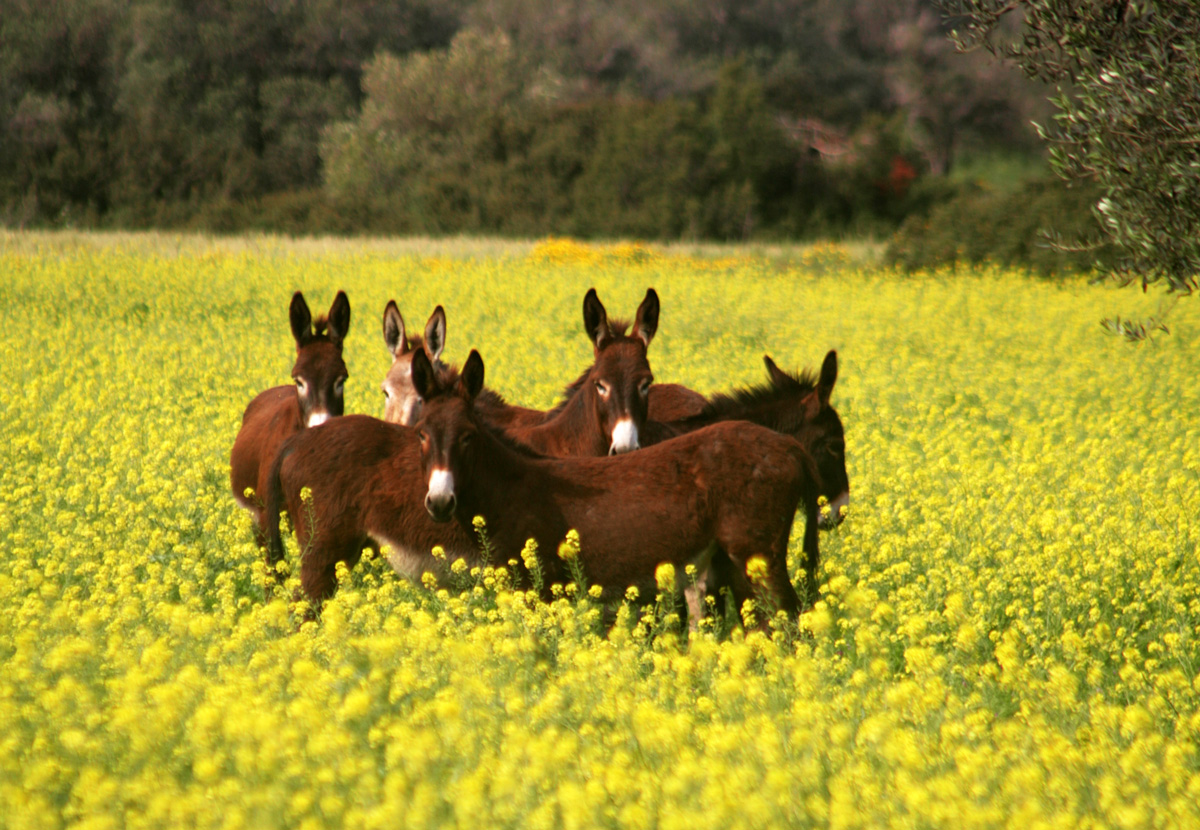
The Karpass Peninsula (Greek: Καρπασία; Turkish: Karpaz), also known as the Karpas Peninsula or Karpasia, is a long, finger-like peninsula and one of the most prominent geographical features of the island of Cyprus. Its farthest point is Cape Apostolos Andreas, and its main population center is the town of Rizokarpaso (Greek: Ριζοκάρπασο; Turkish: Dipkarpaz).
De facto, the peninsula forms the İskele District of Northern Cyprus, while de jure it lies within the Famagusta District of the Republic of Cyprus.
Historical and Cultural Heritage
The peninsula hosts numerous historical and archaeological sites, including Kantara Castle, the Apostolos Andreas Monastery, the ruins of the ancient cities of Karpasia and Aphendrika, and the Ayias Trias Basilica, among many others.
Natural Environment and Wildlife
There are more than 46 sandy beaches along the peninsula, which serve as the primary eastern Mediterranean nesting grounds for the loggerhead sea turtle (Caretta caretta) and the green sea turtle (Chelonia mydas).
Golden Beach, traditionally known among Greek Cypriots as Pashi-Amos (“Fat Sand Beach”) and also called Nangomi Beach, is located approximately 15 km from Rizokarpaso. With a total length exceeding 3,700 meters, it is considered one of the finest and most remote beaches in Cyprus and remains among the least tourist-frequented beaches on the island.
The Karpass Peninsula is also home to the Karpass donkey, a symbol of Cyprus. Joint conservation campaigns by Turkish and Greek Cypriots aim to protect this rare and iconic animal.